Featured Articles
- 9 Essential Questions to Ask Professors Before Committing to Your College Decision
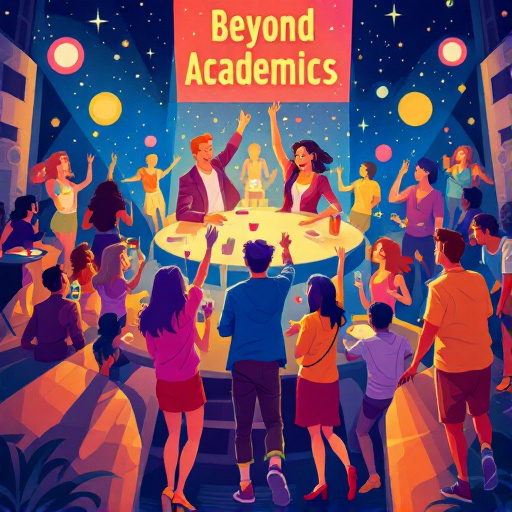
- "Beyond Academics: The Surprising Impact of Campus Vibe on Long-Term Career Success"
- "Beyond Rankings: How Campus Vibes and Local Culture Shape College Choices in Unexpected Ways"
- "Beyond Rankings: How Emotional Intelligence Should Guide Your College Selection Process"
- "Beyond Rankings: How TikTok is Shaping the College Decision-Making Journey for Gen Z"
"Beyond Academics: The Surprising Impact of Campus Vibe on Long-Term Career Success"
"Beyond Academics: The Surprising Impact of Campus Vibe on Long-Term Career Success"
When it comes to shaping a successful career, most students focus on academics—grades, majors, and degrees. However, the campus vibe, or the overall environment and culture of a college, can significantly influence long-term career success in ways many students might not realize.
The Unseen Forces: What is Campus Vibe?
Campus vibe refers to the intangible aspects that shape the student experience: the energy, culture, inclusiveness, and community engagement of a university. Imagine stepping onto a campus filled with laughter, collaboration, and vibrant activities. This environment can foster creativity, resilience, and the social skills necessary for future success. According to a study by the American Council on Education, students who engage in campus life and extracurricular activities are 50% more likely to report higher job satisfaction after graduation. Now, isn’t that statistic worth pondering?
Not Just a Place to Study
The college experience isn’t solely about hitting the books; it's about the relationships built, the networks formed, and the experiences shared. Picture Sarah, a shy freshman who joined a community service club on her university campus. Initially apprehensive, she quickly learned to work with diverse groups, which nurtured her leadership skills. Four years later, she finds herself as a project manager in a multinational company, managing teams from different continents. The friendships and teamwork cultivated in college served as a catalyst for her exceptional interpersonal skills.
Case Study: The Influence of Campus Culture
Let's dive deeper into a crucial case study involving Stanford University and California State University (CSU). While Stanford students often excel academically and socially, CSU embraces a different ethos focused on community engagement and accessibility. Research conducted by the Pew Research Center shows that students from less prestigious universities, like CSU, often develop practical skills through community involvement, which can be more directly applicable to real-world work settings. This highlights how different campus vibes can cultivate distinct skill sets essential for career success.
Networking: The Friendly Factor
Networking isn't just a buzzword; it’s an essential skill that can significantly determine career success. If a college campus fosters an inviting atmosphere, students will naturally form bonds and connections. A survey conducted by LinkedIn found that 85% of jobs are filled through networking. If you’re attending a university where people shy away from interaction or collaboration, you could miss out on potential job opportunities that a warm, engaging environment would otherwise facilitate.
Pathways to Personal Growth
Let’s get a bit personal. Reflecting on my experience as an 18-year-old freshman at a university often dubbed “the happiest campus in America,” I can affirm that the exhilarating campus atmosphere made an indelible mark on my growth. Between spontaneous jam sessions to connect with artistic peers and intense discussions around social issues with passionate activists, the opportunities to explore various perspectives broadened not just my career options but also my worldview.
The Power of Extracurricular Activities
Extracurricular activities offer a wealth of opportunities for students to develop skills that academics alone may not provide. For example, suppose you participated in your university’s debate club. In that case, you are not only honing your public speaking abilities but also cultivating critical thinking, persuasion skills, and confidence—attributes highly sought after by employers in any field. A report by the National Association of Colleges and Employers found that 71% of employers look for communication skills as a primary attribute in candidates, strongly reiterating how campus vibes help mold transformative experiences.
Building Emotional Resilience
In today’s rapidly changing job market, emotional resilience is key. The ability to bounce back from setbacks is often more important than immediate industry skills. College campuses that foster a close-knit community allow for discussions around failure, support networks, and shared experiences, equipping students with resilience. A 2020 study in the Journal of Career Development found a 65% correlation between supportive campus environments and students' ability to handle future workplace challenges.
Engaging Through Diversity
Diversity in campus culture leads to diverse thinking—a crucial ingredient for innovation. When students from various backgrounds come together, the melting pot effect sparks creativity and opens up new avenues for problem-solving. For instance, the vibrant multicultural clubs at NYU not only celebrate different heritages but also promote dialogue and understanding, which in turn prepares students to work in increasingly global job markets. This aligns with research from Harvard Business Review, indicating that diverse teams are 35% more likely to outperform their homogenous counterparts.
A Cautionary Tale
But let’s not oversimplify things. Imagine an institution with an intense academic focus but minimal social engagement. Students who prioritize grades above all else may leave with impressive GPAs but lack the ability to navigate professional relationships. A 2019 report by Gallup suggested that graduates from such environments report 40% lower job satisfaction due to feelings of isolation and burnout. The lesson? Balance is essential.
The Lasting Impact of Mentor Relationships
In a supportive campus environment, helps students develop valuable mentor relationships that can last a lifetime. Research by the National Mentoring Partnership indicates that students with mentors are 55% more likely to enroll in college and 78% more likely to hold leadership positions in the future. Imagine the scenarios: chatting with a mentor over coffee, getting invaluable career advice, and navigating the complexities of internships and job offers. It's a ripple effect rooted in the warm campus culture, echoing for years to come.
Fostering Innovation: A Campus Legacy
Setting the stage for innovation is often a reflection of the campus vibe. Many successful tech startups, such as Google and Facebook, originated from educational institutions known for their creative atmospheres. Stanford’s acceptance of unconventional ideas and its risk-taking culture fostered an innovative spirit synonymous with Silicon Valley. In essence, when students feel encouraged to think out of the box, it can lead to breakthroughs before they even step into the workforce.
Transformative Experiences Outside the Classroom
Beyond learning in classrooms, transformative experiences lie just outside. Imagine engaging in volunteer work that aligns with your passions. One college student founded an environmental club to address local ecological issues. The skills she learned while advocating for change later translated into her role as an environmental consultant. In this way, experiences outside of formal education play a pivotal role in shaping one’s career identity.
Creating Lasting Friendships
Don’t underestimate the power of friendships formed in the college hallowed halls. Lasting bonds can lead to professional opportunities down the line. Studies indicate that 70% of internships and job opportunities come from personal referrals, which often stem from friendships nurtured in college. Think of your college buddy who happens to work for a company you dream of joining. The post-college networking is often easier with a friend in the industry!
The Future of Work: Preparing for the Unknown
Lastly, in an age marked by rapid technological advancement and unpredictable job markets, the need for adaptability is paramount. Graduates who cultivated a robust campus vibe are often better equipped for the future. So, now, more than ever, it's about more than just what you study; it’s about who you become along the way.
Conclusion: Choose Wisely
As you step into the world of higher education, remember: the campus vibe is as crucial as your academic credentials. By choosing an institution that values engagement, support, and diverse experiences, you are laying the groundwork not just for a successful career, but also for a fulfilling life. After all, it's not just your GPA that will define your future—it's the relationships, the experiences, and the campus vibe that will truly propel you toward long-term success.